Vision Health Month

May is Vision Health month!
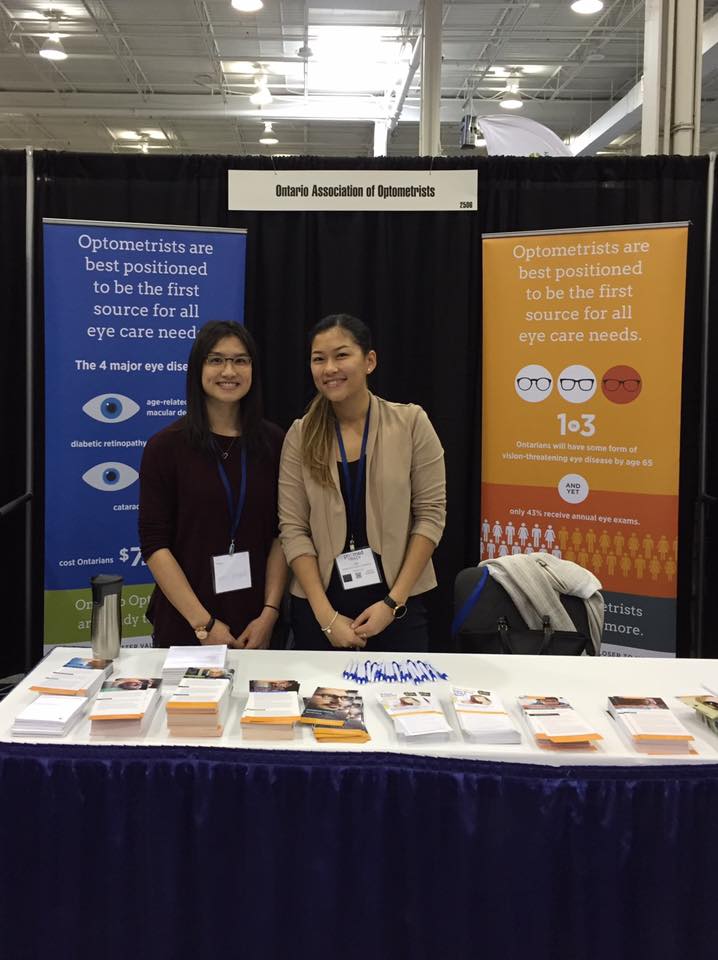
Dr Lee is representing the Ontario Association of Optometrists at the Pri-Med Canada Exhibit, one of the largest medical conferences in Ontario. We’re meeting family physicians, pharmacists, and nurse practitioners and sharing the importance of eye health and vision care!

Continue ReadingVision Health Month

Beware of Online Eye Exams

Beware of online “eye exams.” This TV station put one to the test, and unsurprisingly, it failed.
Online sight tests are NOT a replacement for a comprehensive eye health examination! Even on their website, it says, “Because our services are not a replacement for an eye health examination, we encourage everyone to obtain a comprehensive eye health exam at least once every 2 years.”
So you pay an extra $40 for just your glasses prescription, which you would get included as part of your regular eye examination, which you need to have done anyways. Also, you have to wait a day for them to email your prescription… which they might not be able to provide you with after all (see video)! At least they refunded her money. Furthermore, contact lenses are a medical device, and cannot be properly prescribed without assessing how they look ON your eyes and whether they are moving correctly.

This doesn’t save you time or money, because you end up paying extra money for a service that is included in an eye exam, and you have to wait a day to get your results…. Sounds like a terrible deal!

Continue ReadingBeware of Online Eye Exams

Early detection and treatment of glaucoma

Glaucoma is the second most common cause of blindness worldwide and as many as 4.5 million people are blind because of it. This number will rise to 11.2 million by 2020.

“It’s one of those things that is very advanced by the time people have symptoms. That’s why it’s really important to have an eye exam with a doctor of optometry to ensure it’s being monitored or that it’s caught early and treated so you don’t have vision loss.” – Dr. Maggie Gibb

Click here to read more

Damage from glaucoma starts gradually and subtly, so that by the time you notice any changes in your vision, it is already advanced. The damage is mostly irreversible once it has occurred, so it’s important to detect it early and start treatment early to slow down progression.

If you are…
– over the age of 40
– have a family member with glaucoma
– are of African, Hispanic, or Asian heritage
– have high eye pressure
– have had an eye injury
– have corneas that are thin; or
– have diabetes, migraines, high blood pressure, poor circulation, or other health problems affecting the whole body
…then you are more at risk of developing glaucoma. Come in for a comprehensive eye exam, and talk to Dr. Lee about your risk of getting glaucoma. She will let you know how often you need to come in for follow up exams.

Early detection and treatment can protect your vision. If you haven’t had an complete eye exam in the last 1-2 years, you need to schedule a complete eye disease assessment, even if you don’t need glasses or have any symptoms.

Call (905) 666-4848 to schedule an eye appointment today!


Continue ReadingEarly detection and treatment of glaucoma

How Diabetes Can Affect Your Eyes

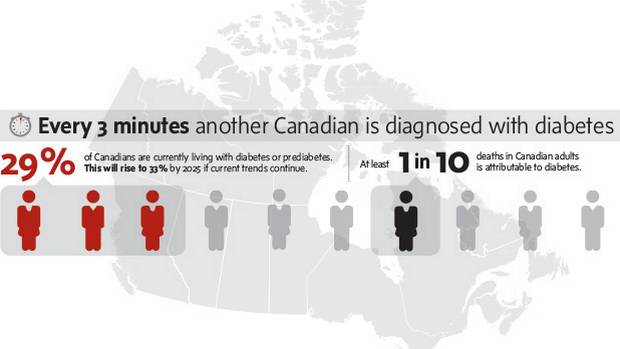
An estimated 3.4 million Canadians are living with diabetes, and the number has doubled in the last 12 years. Diabetes causes increasing and fluctuating levels of sugar in your blood, which causes damages to your organs. People with diabetes are 3x more likely to be hospitalized with heart disease, and 12x more likely to be hospitalized with kidney disease, and they account for 70% of non-traumatic lower limb amputations. Diabetes can also affect your eyes, and potentially cause serious vision loss.

Diabetic Retinopathy  is the leading cause of blindness in Canadians under the age of 65. It occurs when there is weakening or swelling of the tiny blood vessels in the eye, resulting in fluid leakage and bleeding. If left untreated, it can lead to blindness.
Here’s a photo of a healthy retina (left) and a retina with diabetic retinopathy (right)
diabetic retinopathy

Did you know diabetes can be first detected through an eye exam? There may be no symptoms in the early stages, so a person like this might still be able to see 20/20  on the eye chart and not notice any visual changes. If you wait until your vision becomes blurry, the retinopathy may have already worsened, and once damage has occurred, the effects can be permanent. That’s why early detection and treatment is critical, so that you can take action to prevent/delay complications and potential vision loss. Risk factors of developing diabetic retinopathy include smoking, high blood pressure, drinking alcohol and pregnancy.

If you have already been diagnosed with diabetes, come see Dr. Lee for a comprehensive dilated eye exam at least once per year (or more frequently if recommended) to minimize your risk of developing serious retinopathy.

November is Diabetes Awareness Month and we encourage everyone – whether you have the disease or not – to visit Dr. Lee for a comprehensive eye exam. Regular visits are essential to monitor changes in your eyes and either detect diabetes or prevent further complications in your vision as well as your overall health.

If you haven’t been diagnosed, KNOW YOUR RISK of developing Type 2 Diabetes.
If you are over the age of 40, the Canadian Diabetes Association (CDA) recommends that you get tested for type 2 diabetes every three years, and more frequently if you have any of these risk factors:

  • A parent or sibling with diabetes
  • Are a member of an ethnic group at high risk for type 2 diabetes (African, Hispanic, Asian, South Asian and Aboriginal)
  • Are overweight
  • Have high blood pressure or high cholesterol
  • Have been diagnosed with prediabetes
  • Have polycystic ovary syndrome

Visit take2minutes.ca to take the test and know your risk so that you can take action to stay healthy!

Learn more about how to prevent type 2 diabetes, and diabetes-related complications at the The Globe and Mail’s Diabetes Awareness Month Feature

Resources:
1. More information from the Canadian Diabetes Association
2. National Eye Institute Facts About Diabetic Eye Disease

Continue ReadingHow Diabetes Can Affect Your Eyes

Cosmetic Contacts Can Damage Your Eyes

Happy Halloween!
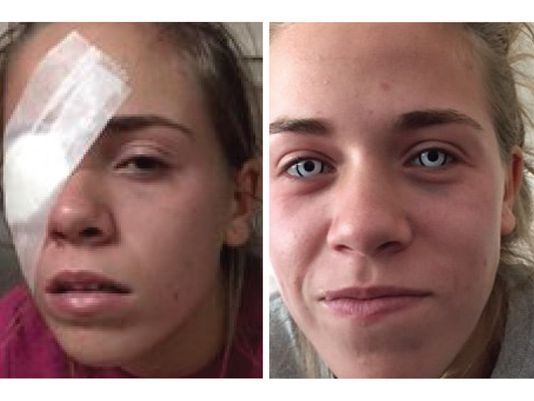
This year, STAY AWAY from costume contact lenses! Even wearing them for a short period of can cause permanent damage to your eyes. This young girl was only wearing the lenses for 4 hours, but the lenses scratched her cornea and caused vision loss. It only takes one bad episode to cause permanent damage.

The risk is much higher with costume lenses purchased over-the-counter or online, because these manufacturers use unknown materials, and the solution may have contaminants which can damage your eyes. Contact lenses are NOT one-size-fits-all, and must be properly fitted by an optometrist. They are medical devices, which means they are subject to specific safety requirements, which your optometrist follows (and the local dollar store/costume store may not).
If you want to try coloured lenses, talk to Dr. Lee about your options – there are many SAFE coloured lenses out there too!

READ MORE in this post from last year

Read this article about how this girl damaged her eyes by just wearing the lenses for a short time (‘Zombie’ contacts damage teen’s eye )

Continue ReadingCosmetic Contacts Can Damage Your Eyes